

Industrial Electrical Troubleshooting Assessment
Industrial Electrical Troubleshooting :
10 industrial electrical troubleshooting tests and answers from the video course, followed by tips and tricks in 10 areas unique to the industrial electrician.
Please consider our training while here ...
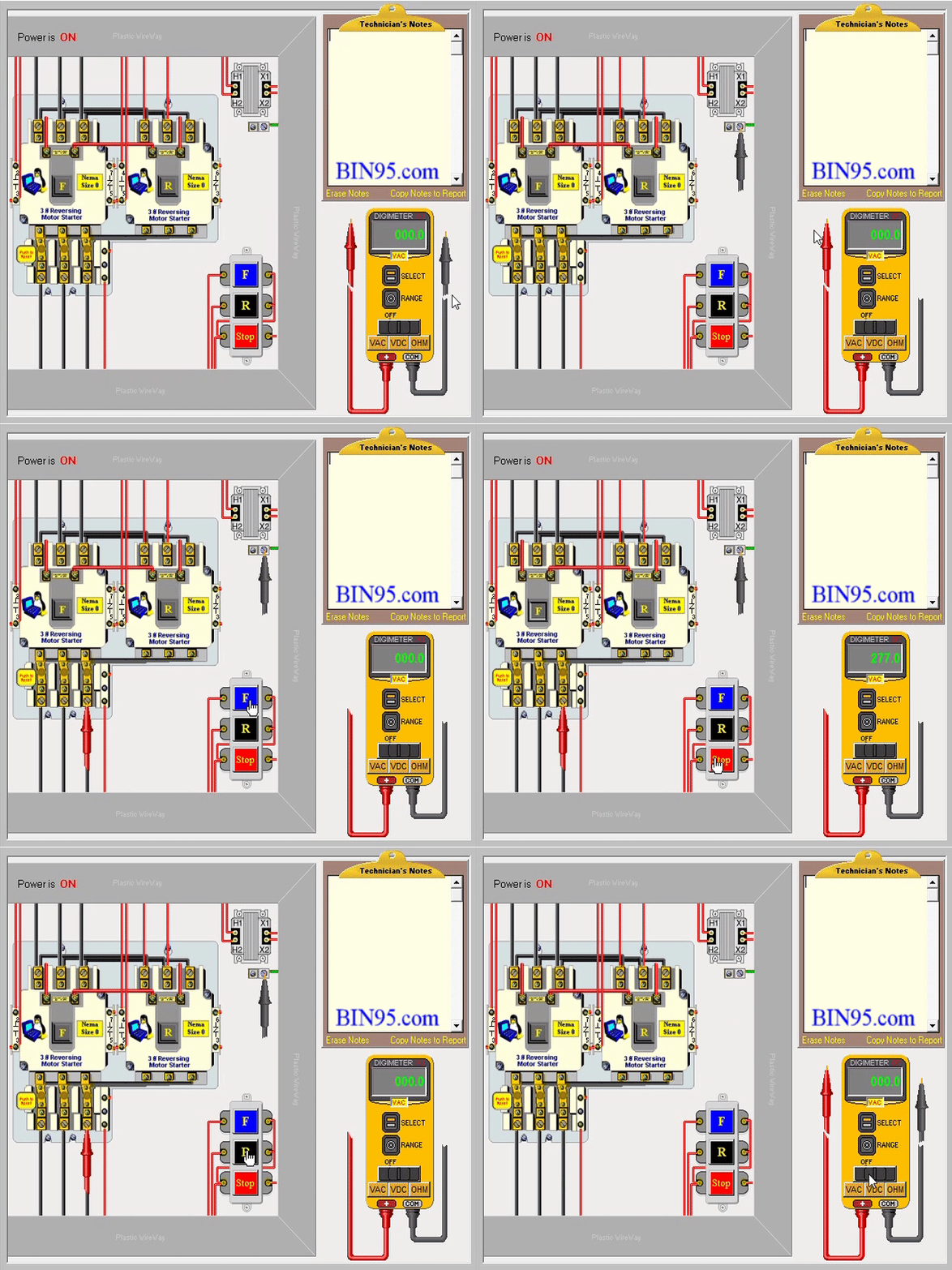
Check out our Electrical Troubleshooting Course. It never expires and lets you practice simulations repeatedly, making it an excellent refresher later.
Industrial Electrical Troubleshooting test details:
( 10 Questions )
The above 10 questions and answers in the Industrial Electrical Troubleshooting Test will provide learners with an understanding of how industrial electrical troubleshooting differs from residential and commercial electrical troubleshooting. The article below, "10 Electrical Troubleshooting Tips," will provide you with even greater insight and helpful advice for those transitioning to the industrial field.
10 Electrical Troubleshooting Tips
The industrial electrical troubleshooting edition
Commercial electricians need more knowledge and skill than residential ones. Industrial electricians need even more expertise. Industrial systems are intricate, with high stakes and a variety of equipment. This means that industrial electricians need a comprehensive understanding of various electrical systems. These electrical troubleshooting tips will cover ten key areas for industrial electricians. Each area requires specialized knowledge and skills for effective troubleshooting.
High Voltage (480+ Volts) Troubleshooting
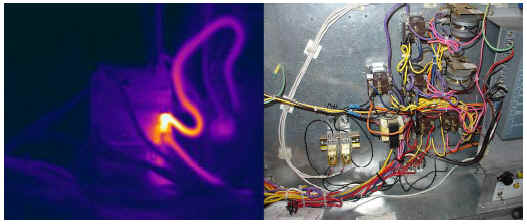
Fig 1. - Infrared thermography can show a problem even with low voltage circuits.
Tip: Use infrared thermography (IR) to check the electrical panel. This helps find potential problems before troubleshooting.
High voltages come with special challenges. The risks are much greater than in lower-voltage systems. Industrial electricians must have a meticulous approach to ensure safety. An IR camera is a fast and safe way to test for issues. It can find unbalanced loads, loose connections, and failing devices.
Learn more at Infrared Electrical Inspections
Power Quality Troubleshooting
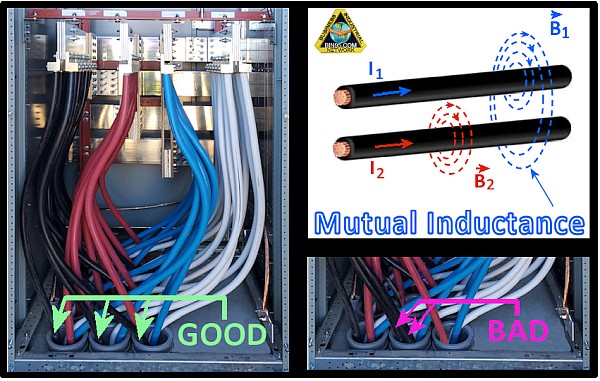
Fig 2. - Left: Each high-amp load is in a separate conduit. Right: Two loads incorrectly placed in one conduit.
Tip: Use power quality analyzers to find voltage sags, swells, and harmonics. These issues can affect production.
Power quality issues can cause equipment failure and downtime. So, it’s vital for industrial electricians to find and fix these problems without delay. Harmonic distortion can stress electrical parts. This may cause overheating and failures. Using measuring tools like oscilloscopes can enhance an electrician's troubleshooting skills.
Industrial Electrical Troubleshooting Methods

Fig 3. - Fishbone diagram method when time permits, 5 Whys method in your head.
Tip: Perform a Root Cause Analysis (RCA) on every electrical problem that you troubleshoot.
If you're short on time, at least run an RCA in your head. Don’t skip it because you don't have time for a detailed analysis on paper or in your CMMS. The 5 Whys is a quick way to do it in your head. When you have time, use the analytical tools from your toolbox.
Methods include:
- Fishbone Diagram
- Failure Modes and Effects Analysis (FMEA)
- Fault Tree Analysis (FTA)
Learn more at Problem-Solving Skills and Techniques
Instrumentation Troubleshooting
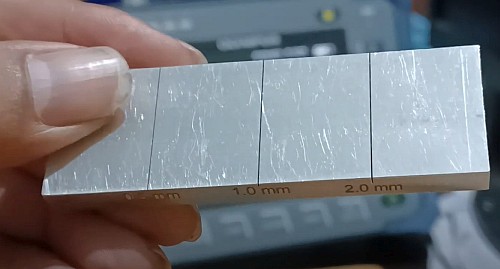
Fig 4. - Eddy current testing Block for calibration.
Tip: Calibrate and test instruments on a routine basis. This keeps readings accurate and performance reliable.
Industrial environments depend on accurate instrumentation for monitoring and control. To troubleshoot the measuring instrument, you need to know each instrumentation principle. Residential electricians can enhance their skills by learning to use various measuring instruments. The process industries most often use pressure, flow, and level sensors. Proximity and temperature measurement sensors are the most common in manufacturing.
Learn more at Instrumentation Technician Troubleshooting
Manufacturing Equipment Troubleshooting

Latch a bit if condition exist for at least one scan cycle.
Tip: Use the PLC to track, trap, and confirm machine intermittent electrical problems.
Intermittent electrical problems can be tough. The issue might not show up while you’re trying to fix it. Industrial electricians use programmable logic controllers (PLCs) to gather machine data. This data helps them find faults.
Automation Controllers (PLC) Troubleshooting

PLC Troubleshooting Step 1
Tip: Learn PLC ladder logic to identify automation control issues with speed.
PLCs are at the heart of most industrial automation processes. Reading and understanding ladder logic increases an electrician's speed and accuracy in troubleshooting. Automated systems can have hundreds of inputs and outputs. With a PLC, you can trace down which one is causing the problem in approximately 5 minutes. Regardless of system complexity. Electricians who know logic programming can shine in the smart home market.
Learn more with the PLC Troubleshooting In Minutes tutorial video.
HMI Computer Programming Troubleshooting
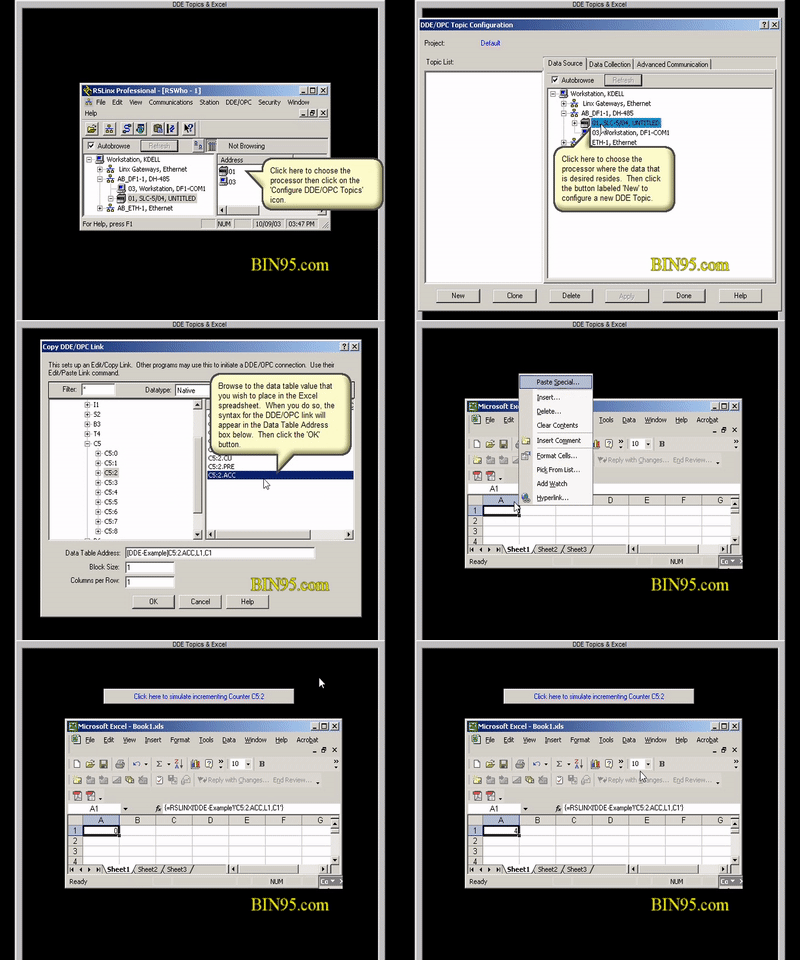
HMI DDE setup is example of industrial maintenance electrician needing computer skills.
Tip: Keep HMI software updated. Also, set alarms to warn operators about faults early.
Human-Machine Interfaces (HMIs) provide critical data for operators. Issues with HMI programs can lead to misunderstandings and operational errors. Commercial electricians should know the basics of user interface design. This knowledge helps them fix simple HMI problems, like those in restaurant equipment.
Troubleshooting in Hazardous Areas

Pictured: ICS, SCADA, HMI, and PLC relationship.
Tip: Always follow zone classification guidelines to maintain safety when working in hazardous areas.
Electricians must have skills and understand safety protocols in dangerous environments. Industrial electricians need to be ready for ignition sources in dangerous areas. They must also know how to reduce these risks. Commercial electricians sometimes work in risky places like gas stations and hospitals. The most common hazard for commercial electricians to be aware of is working with the public.
Learn more with the Hazardous Areas Safety Training Course
Industrial Networking Troubleshooting

Pictured: ICS, SCADA, HMI, and PLC relationship.
Tip: Map out the network layout and identify any potential points of failure for quick diagnostics.
Modern industrial facilities have a high level of interconnection. This makes network troubleshooting vital. Industrial electricians deal with complex networks. They need to master diagnostic protocols. Residential networking is simpler. Understanding networking basics helps electricians fix home automation and connectivity issues for clients.
Understanding Complex Schematics and Diagrams

An elementary wiring diagram for a motor-operated valve (MOV).
Tip: Create a clear way to read and understand complex diagrams. Break them into smaller, easier-to-handle parts.
Complex schematics can overwhelm even seasoned electricians. Industrial electricians work with complex systems. They need strong analytical skills to troubleshoot well. Commercial electricians typically do not handle schematics for complex machines, automation systems, or high-voltage gear. They focus more on buildings like offices and retail centers.
Conclusion:
Troubleshooting electrical problems in an industrial setting is very different from residential or commercial troubleshooting. It comes with its own set of challenges. The risk of significant production losses increases the urgency to troubleshoot. This raises the stakes for industrial electricians. Master these ten troubleshooting areas to advance your career as an industrial electrician. By boosting their skills, residential and commercial electricians can explore more job opportunities.
Updated: